
Ivano Alogna
Faculty member – Law, Finance, and Litigation: Addressing Climate Change Risks in Europe – October 2024
Director – Climate Change Law & Science: Exploring the Interplay between Legal Systems and Climate Change Science – July 2026
Ivano Alogna is Senior Research Fellow in Environmental and Climate Change Law at the British Institute of International and Comparative Law (London), where he leads the programme in this field. He is also Senior Associate Scientist at the CMCC Foundation, working at the intersection of climate science and law. He is Co-Lead of the Climate Litigation Cluster within the IUCN World Commission on Environmental Law (WCEL) and Adjunct Professor at leading European universities, including Sorbonne Law School and Bologna Business School. He is a qualified lawyer at the Milan Bar. He has co-edited leading volumes in the field, including Climate Change Litigation: Global Perspectives (Brill, 2021) and Climate Change Litigation in Europe (Intersentia, 2024). His PhD thesis, La circulation des modèles juridiques dans le domaine de l’environnement (University Paris 1 Panthéon-Sorbonne), awarded the Special Jury Prize of the French Society of Environmental Law (SFDE), is published by LGDJ (2026).
Ángel Amores
Faculty member – Coastal Resilience to Sea Level Rise – November-December 2025
Ángel Amores is a Physical Oceanographer working as an Associate Professor at the University of the Balearic Islands (UIB) and as a Research Scientist at the Mediterranean Institute for Advanced Studies (IMEDEA, CSIC-UIB). His research focuses on coastal and open-sea dynamics, extreme sea levels, and the influence of climate variability and change on marine hazards. He has led and contributed to numerous national and European projects, combining observational and modeling approaches, and he is currently the expert in hydrodynamic modelling within his research group. He has authored more than 40 peer-reviewed publications and four book chapters.
Ioannis Androulidakis
Faculty member – Coastal Resilience to Sea Level Rise – November-December 2025
Ioannis (Yannis) Androulidakis is a Physical Oceanographer and Associate Professor at the Department of Marine Sciences, University of the Aegean, Greece. With over 20 years of experience in ocean observations and modeling, he specializes in coastal and shelf dynamics, river plume dispersion, ocean–atmosphere interactions, and marine hazards. His work integrates field measurements, numerical simulations, and data analysis to study extreme events, pollution transport, and climate impacts on the marine environment. He has participated in numerous national and EU- and US- funded projects and authored more than 50 peer-reviewed publications and several book chapters.
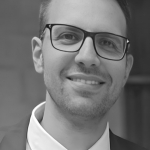
Fabrizio Antonio
Faculty member – Open Science in Practice for Coastal Ocean Data Analysis and Visualization – April 2026
Fabrizio Antonio is a Computer Scientist at the Advanced Digital Innovation Center (ADIC) of the Euro-Mediterranean Center on Climate Change (CMCC). His main research activities focus on data science, scientific and climate data management, cloud computing, container orchestration, and provenance management within the climate science domain. He has been involved in several European projects and initiatives, mainly within the framework of the European Open Science Cloud (EOSC), contributing to the design and development of architectural and software solutions for advanced computing and data analytics in research and innovation.
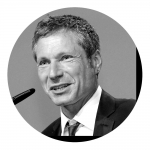
Jonathan Bamber
Faculty member – Water Resources, Land-use and Forestry – June-July 2022
Jonathan Bamber is a Glaciology and Earth Observation professor at the University of Bristol and Tech. University Munich and Director of the Bristol Glaciology Centre. He has a degree in physics and a Ph.D. in geophysics. He specialises in the analysis of airborne & satellite data sets from the polar regions and in combining these data with models of the Earth system. He is an expert on the ice sheets covering Antarctica and Greenland and their contribution to sea level. He has also published extensively in the general field of geodesy, sea level variations in time and space and measuring mass exchange between the land and oceans due to the melting of land ice and the hydrological cycle.
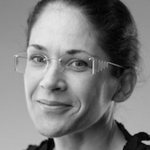
Laure Berti-Equille
Faculty member – AI and Machine Learning for Earth System Modeling and Prediction – June 2026
Laure Berti-Equille is a Research Director (DR1) at IRD, the French Research Institute for Sustainable Development. Before, she was a Full Professor in Computer Science at Aix-Marseille University in France (2017-2018), a senior scientist at Qatar Computing Research Institute in Qatar (2014-2017), an associate professor at University of Rennes 1 in France (2000-2010), and a 2-year visiting researcher at AT&T Labs Research in New Jersey, USA (2007-2009), as a recipient of the prestigious European Marie Curie Outgoing Fellowship. In 2022, she was a visiting scientist at Massachusetts Institute of Technology, LIDS (Laboratory for Information & Decision Systems). Her current research interests are on the inter-play of data management, data analytics, and machine learning with a focus on anomaly detection, data cleaning/preparation, multimodal learning and uncertainty quantification with main applications in medical and environmental domains in-line with SGDs. She is co-leading the international joint lab IDEAL with the Federal Univ. of Paraíba (Brazil) dedicated to AI for Agroecology. She has given many tutorials and keynote talks on data analytics and applied machine learning and recently published a new book on AI for SDGs.
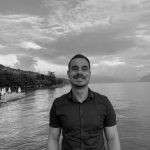
Tom Beucler
Faculty member – AI and Machine Learning for Earth System Modeling and Prediction – June 2026
Tom Beucler is an assistant professor of environmental data science at the University of Lausanne, Switzerland. He leads the Data-Driven Atmospheric & Water Dynamics (∂3AWN) laboratory, the first research group worldwide dedicated to bridging atmospheric physics and AI. Tom holds a Ph.D. in atmospheric science from MIT, where he studied tropical convection. His postdoctoral work at Columbia University and UC Irvine focused on deep learning for climate modeling.
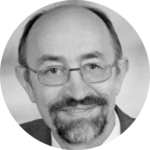
Günter Blöschl
Faculty member – Water Resources, Land-use and Forestry – June-July 2022
Günter Blöschl is a Senator of the Helmholtz Association for the Research Field Earth and Environment and Professor of Hydrology and Water Resources at Vienna University of Technology, Austria. He holds a diploma in civil engineering (1985) and a Ph.D. in hydrology (1990), both from the Vienna University of Technology. In 1989 he was a Research Fellow at the University of British Columbia in Vancouver, Canada, followed by research positions at the Centre for Resource and Environmental Studies at the Australian National University in Canberra and at the University of Melbourne, Australia, from 1992 to 1994. After receiving a senior doctorate (Habilitation) in 1997 he held the position of Associate Professor of Hydrology at the Vienna University of Technology until he was appointed full professor in 2007. Since 2012 he has been Head of the Institute of Hydraulic Engineering and Water Resources Management at the Vienna University of Technology. Professor Blöschl is best known for his research on floods, droughts and matter transport in the landscape.
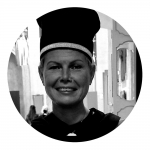
Lisa Borgatti
Faculty member – Water Resources, Land-use and Forestry – June-July 2022
Lisa Borgatti has a Ph.D. in Earth Sciences and is a Full Professor of Engineering Geology at the Department of Civil, Chemical, Environmental and Materials Engineering DICAM, Alma Mater Studiorum, Università di Bologna, Italy.
The research activity is focused on natural and engineered slopes. Factors predisposing and triggering instability at different time scales, mapping, prospecting, in situ and remote sensing monitoring, numerical modelling, and design of mitigation measures are analysed. The study areas are located in the northern Apennines, the eastern Alps, and Northern America. Have authored more than 100 original scientific papers on engineering geological and geomorphological applications, 78 of which are indexed in Scopus.
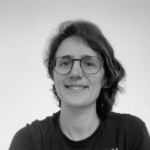
Federica Borile
Faculty member – Coastal Resilience to Sea Level Rise – December 2025
Federica Borile holds a Master’s degree in Physics of the Earth System from the University of Bologna, where she also completed her PhD in collaboration with the CMCC Foundation. Her doctoral research focused on the effects of tidal forcing on global ocean circulation, with a particular emphasis on the role of internal tides in the Atlantic Meridional Overturning Circulation. Currently, she is a postdoctoral researcher at the University of Bologna, developing a new 45-year Mediterranean Sea reanalysis. Borile’s work aims to improve model setup and better simulate key physical processes, including water mass formation, mesoscale variability, and decadal sea-level trends, to support understanding of climate-driven changes.
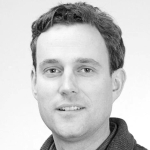
Laurens Bouwer
Faculty member – Adaptation and Sustainable Risk Management – October 2022
Laurens Bouwer is a senior scientist at the Climate Service Center Germany (GERICS), of the Helmholtz-Zentrum Hereon. He is an expert on the assessment of climate risk, and has worked extensively on the use of impact and vulnerability models. Besides the research work, he has advised national and local governments, international organisations such as the World Bank, and insurance companies on managing these risks. Laurens has led several research and consultancy projects related to risks and adaptation including the development of impact and damage models, and approaches for adaptation planning. In addition, he has been participating as (lead) author in several reports of the Intergovernmental Panel on Climate Change (IPCC).
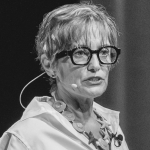
Annalisa Bracco
Faculty member – AI and Machine Learning for Earth System Modeling and Prediction – June 2026
Annalisa Bracco is a Senior Scientist at the Euro-Mediterranean Center on Climate Change (CMCC). She has an extensive background in computational fluid dynamics, physical oceanography and climate dynamics, and her research interests include ocean transport, climate dynamics and carbon and oxygen cycling in the climate system. In the last few years her group has adapted or developed novel methodologies that build upon dynamical system theory, machine learning and network analysis to investigate ocean connectivity and the interactions among modes of climate variability. Before joining CMCC in 2025, she was Professor at the Georgia Institute of Technology where she co-founded the PhD program in Ocean Science and Engineering. She received a PhD in geosciences from the University of Genoa and was a postdoctoral fellow at the Woods Hole Oceanographic Institution and at the International Center for Theoretical Physics.
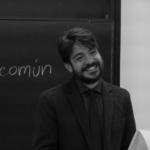
Enrico Buono
Director – Law, Finance and Litigation: Addressing Climate Change Risks in Europe – October 2024
Enrico Buono is a Postdoctoral Research Fellow in Comparative Public Law at the Universities of Perugia and Campania Luigi Vanvitelli, and a Wissenschaftliche Hilfskraft at the Deutsch-französische Juristenausbildung (Universität des Saarlandes, Germany). He achieved the National Scientific Qualification as Associate Professor in Comparative Law with unanimous consent, and has been a visiting researcher at the Universidad Católica Boliviana San Pablo in La Paz, Bolivia, while working for the Tribunal Constitucional Plurinacional in Sucre.
For his works on Environmental Constitutionalism, Enrico won the SIRD Younger Comparatists 2022 Prize, awarded by the Italian Society for Research in Comparative Law. He’s also the national coordinator of the Environmental Constitutionalism Observatory (OCA) at DPCE Online, a Class-A Comparative Law Journal.
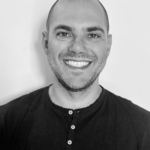
Salvatore Causio
Faculty member – Coastal Resilience to Sea Level Rise – November-December 2025
Salvatore is a Junior Scientist at the CMCC Foundation, where he leads the Advanced Coastal Ocean Modelling and Application Research Unit. He holds a PhD in the framework of Physical Oceanography from the University of Salento and a Master’s degree in Coastal and Marine Biology and Ecology. He joined CMCC in 2026, and he specializes in coastal ocean dynamics and extreme events and he represents the Principal Investigator for wave modeling within the GOCO Division. His expertise covers both wave and circulation numerical modeling and their interactions, using WAVEWATCH III, SHYFEM-MPI, and NEMO. His current research explores the integration of artificial intelligence with numerical models through hybrid modeling approaches. He develops high-resolution unstructured-grid coastal models for global and local hazard assessment, supporting risk analysis, early warning, and coastal resilience. His interests also include the characterization of abiotic parameters influencing species distribution and the study of nature-based solutions for coastal protection and resilience. Salvatore is scientifically responsible for several European and national projects and contributes to the development of Digital Twins of the Coastal Ocean.
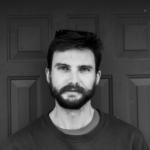
William Chapman
Faculty member – Data Driven Modeling and Predictions of the Earth System – December 2024
Director – AI and Machine Learning for Earth System Modeling and Prediction – June 2026
William Chapman is a Project Scientist at the National Center for Atmospheric Research (NCAR) in Boulder, Colorado, working in the Climate & Global Dynamics Group. His research focuses on improving climate and weather predictions by integrating machine learning with traditional climate models. He specializes in subseasonal forecasting, dynamic drivers of climate modes of variability, and error representation within climate models.
His work involves improving the predictability of weather systems, including teleconnection patterns. He aims to enhance forecast skill on medium-range to subseasonal timescales. His research uses a combination of machine learning, computational modeling, and observational analysis to refine our understanding of these processes and improve the representation of physical systems in predictive models.
He earned his Ph.D. in Atmospheric Science from the Scripps Institution of Oceanography. He has held a post-doctoral fellowship at NCAR’s Advanced Studies Program and contributed to the Multiscale Machine Learning (M2lines) project. His work continues to explore the intersection of data-driven methods and traditional climate science, with the goal of enhancing forecasts and deepening our understanding of sources of predictability for extreme weather events.
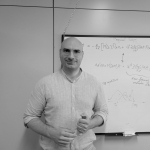
Giovanni Conti
Faculty member – Law, Finance, and Litigation: Addressing Climate Change Risks in Europe – October 2024
Faculty member – Climate Change Law & Science: Exploring the Interplay between Legal Systems and Climate Change Science – July 2026
Giovanni Conti graduated cum laude with a Master’s in Theoretical Physics from the University of Parma in 2011 and earned his Ph.D. in 2016 from Ca’ Foscari University of Venice, specializing in the Science and Management of Climate Change with a focus on Dynamic Climatology. Following three and a half years as a postdoctoral researcher at Hamburg University, where he worked on chaotic advection, turbulence, and passive tracer dynamics, he joined the CMCC in 2020. Conti’s research spans a range of topics, including the study of climate phenomena such as ENSO, employing advanced techniques like Path Integrals, Transition Matrices, and the Fokker-Planck equation. His expertise also covers chaotic advection, turbulence, point vortex dynamics, and data assimilation. Currently a Junior Scientist at CMCC, Conti is focused on developing an atmospheric data assimilation system and investigating the biases that impact seasonal forecast simulations.
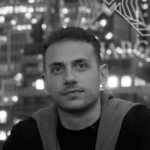
Marco De Carlo
Faculty member – AI and Machine Learning for Earth System Modeling and Prediction – June 2026
Marco De Carlo is a Junior Associate Scientist and member of the machine learning research group at the Advanced Digital Innovation Center (ADIC) of CMCC. He received his Bachelor’s and Master’s degrees in Computer Engineering from the University of Salento, specializing in Artificial Intelligence and High Performance Computing. His research focuses on the development of machine learning methodologies for scientific and environmental computing, with emphasis on advancing numerical simulations and data-driven modeling. His work spans Bayesian optimization, deep learning, LLM, and hybrid modeling frameworks, alongside MLOps and scalable machine learning pipelines for reproducible AI systems. His broader interests include the integration of machine learning with physical and numerical models for Earth system applications, with a focus on improving predictive understanding and decision-support in complex environmental systems.
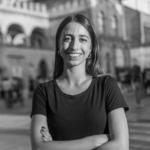
Giorgia De Giacomi
Faculty member – Law, Finance, and Litigation: Addressing Climate Change Risks in Europe – October 2024
Giorgia De Giacomi is a City Councillor in Bologna, where she advocates for climate neutrality, sustainable urban development, intergenerational equity, and impact measurement.
She holds a MSc in Resource Economics and Sustainable Development from the University of Bologna and works as a Sustainability Advisor for the private sector, helping businesses adopt greener practices and measure their environmental impact.
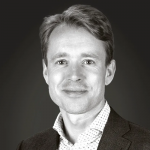
Elbert de Jong
Faculty member – Climate Change Law & Science: Exploring the Interplay between Legal Systems and Climate Change Science – July 2026
Elbert de Jong (1987) is Full Professor of Private Law at Utrecht University and Director of the Utrecht Centre for Accountability and Liability Law, The Netherlands. His research focuses on (corporate and governmental) climate accountability and liability in private law. A central theme in his work is the relationship between uncertainty, precaution, science, and private law. He also studies the institutional and societal role of courts in public interest litigation, with a particular emphasis on climate change litigation. He has published extensively on these topics and is a frequent commentator in both Dutch and international media. In 2026, he published on climate liability in the Oxford Handbook of Climate Change and Private Law, wrote commentaries for the Verfassungsblog.de on the Bonaire-climate case and German climate cases against BMW and Mercedes Benz, and addressed the societal impact of climate litigation. In 2024, he edited the Elgar volume on Corporate Accountability and Liability for Climate Change. In recognition of his work, he has received several national and international research grants and awards. Elbert serves on the editorial board of the Netherlands Journal of Private Law, and is a board member of both the Netherlands Association of Jurists and the Netherlands Association of Private Law. He is also a temporary member of the Dutch Health Council and serves as a deputy judge at the Court of Appeal of Arnhem-Leeuwarden.
Cristiano De Nobili
Faculty member – Data Science and Machine Learning for Climate Research – June 2023
Cristiano is a Theoretical Particle Physicist with a PhD in Quantum Information Theory at SISSA. Currently the Lead AI Scientist at Pi School, he helps startups and companies integrate AI into their process. He is a Deep Learning lecturer at the Master in High-performance Computing (Trieste) and at Bicocca University (Milan). At Pi School, he mainly works in NLP and Deep Learning applied to environmental challenges. Last September, he participated to a scientific collaboration at the SIOS Remote Sensing Center in Svalbard to teach AI techniques to Arctic scientists. Currently, he is part of a collaboration with the National Observatory of Athens and Pi School, working on Explainable AI for Wildfire Forecasting. He is highly interested in Quantum Technologies, especially in the Climate Tech sector. He just launched a newsletter on AI and Emergent Technologies: Turning bits into dreams.
Kristie L. Ebi
Faculty member – Adaptation and Sustainable Risk Management – October 2022
Kristie L. Ebi has been conducting research on the health risks of climate variability and change for 25 years, focusing on understanding sources of vulnerability, estimating current and future health risks of climate change, designing adaptation policies and measures to reduce risks in multi-stressor environments; and estimating the health co-benefits of mitigation policies. She has supported multiple countries worldwide in assessing their vulnerabilities and implementing adaptation policies and programs. She has edited four books on aspects of climate change, has more than 200 publications, and has been an author on multiple national and international climate change assessments.
Donatello Elia
Faculty member – AI and Machine Learning for Earth System Modeling and Prediction – June 2026
Donatello Elia is a computer scientist at the Advanced Digital Innovation Center (ADIC) of the CMCC Foundation, which he joined in 2013. Currently, he leads the Data Science & Digital Research Infrastructures unit in ADIC. He holds a PhD degree in Engineering of Complex Systems and a M.Sc. degree in Computer Engineering, both from the University of Salento, Italy. His main research interests include data science, cloud computing, data-intensive analytics, scientific data management and machine learning in climate science.
Ivan Federico
Faculty member – Sea Level Rise and Coastal Adaptation – October 2023
Ivan Federico is a Scientist in Ocean Modelling and is responsible for the Advanced Modelling research unit of the Ocean Predictions and Applications (OPA) Division at CMCC Foundation. He holds a Ph.D. in Hydraulics Engineering for the Environment and Territory in 2011, focused on Computational Fluid Dynamics, contributing to developing a fully meshless Lagrangian particle model. Since 2012, he has been employed at CMCC, where he has led the development and implementation of very high-resolution hydrodynamic and wave models in operational forecasting mode, from large-scale to shelf-coastal, riverine and urban ocean. His current research focuses on coastal oceanography processes, seamless approaches between scales, unstructured-grid models, and storm surge forecasting.
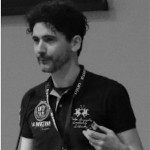
Sandro Fiore
Faculty member – AI and Machine Learning for Earth System Modeling and Prediction – June 2026
Sandro Fiore is an Associate Professor at the Department of Information Engineering and Computer Science (DISI) of the University of Trento, where he leads the High Performance Climate Informatics Laboratory, and a lecturer at the School of Innovation (Trento). At the University of Trento, he teaches Software Engineering and High Performance Computing for Data Science within the DISI Department. At the School of Innovation, he delivers short courses on Data Science, GreenOps, Data Governance, and Business Analytics.
His research activity focuses on scientific data management, data science and machine learning, end-to-end workflows, and provenance for climate change applications in extreme-scale HPC, distributed, and cloud environments.
He has been a Visiting Scientist at the Lawrence Livermore National Laboratory (LLNL), working in the context of the Earth System Grid Federation (ESGF), and at the University of Chicago, where he conducted research on provenance and computational reproducibility.
He is the Principal Investigator of yProv, an open-source software ecosystem compliant with W3C PROV standards for provenance management in scientific workflows.
He is the author of more than 100 scientific publications, editor of the book Grid and Cloud Database Management, and co-author of The International Exascale Software Project Roadmap. He is a member of both the ACM and the IEEE.
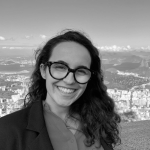
Elisa Fiorini Beckhauser
Faculty member – Law, Finance, and Litigation: Addressing Climate Change Risks in Europe – October 2024
Faculty member – Climate Change Law & Science: Exploring the Interplay between Legal Systems and Climate Change Science – July 2026
Elisa is a Postdoctoral Researcher at the Euro-Mediterranean Center on Climate Change (CMCC Foundation), holds a Ph.D. in Law and Sustainability from the University of Salento (Italy), and obtained a Bachelor’s degree in Law from the Federal University of Santa Catarina (Brazil). She was a researcher in the Environmental Law and Political Ecology in the Risk Society Research Group, served as Co-Coordinator of the Latin American Observatory on Human Mobility, Climate Change, and Disasters, and was Co-Lead of the World Commission on Environmental Law Early Career Specialist Group in the project “Next-Generation Environmental Law Research.”. She is currently the Lead of the project “Sea Legal Rise I and II” at the Environmental Justice and Ecological Transition Law Clinic at Sciences Po Paris. She is also a member of the Latin American Climate Lawyers Initiative for Mobilizing Action (LACLIMA) and the Global Network for Human Rights and the Environment (GNHRE), and serves as an Expert in the Harmony with Nature Network of the United Nations in the Young Professionals category in Earth-Centered Law
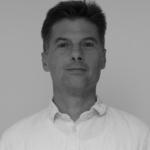
Hans-Martin Füssel
Faculty member – Law, Finance, and Litigation: Addressing Climate Change Risks in Europe – October 2024
Hans-Martin Füssel has more than 25 years of experience in climate change research and policy advice. He holds a Ph.D. in Physics from the University of Potsdam (Germany) for his work on climate impacts modelling. During his academic career, Hans-Martin Füssel worked at the Potsdam Institute for Climate Impact Research, Stanford University, and Ritsumeikan University. He has consulted UNDP, UNFCCC, WHO, IPCC, the World Bank, the European Commission, and various national governments on climate change. He served as author, review editor, reviewer, and member of government delegations for several IPCC Assessment Reports. Since 2010, Hans-Martin Füssel works as an expert on climate risks and adaptation at the European Environment Agency. In this position, he has led many cross-cutting reports and projects related to climate change impacts and adaptation in Europe. Most recently, he coordinated the first EU-wide climate risk assessment published in March 2024.
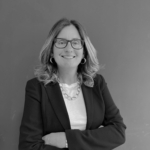
Giulia Galluccio – Director of Future Earth Research School
Director – Law, Finance, and Litigation: Addressing Climate Change Risks in Europe – October 2024
Director – Coastal Resilience to Sea Level Rise – November-December 2025
Director – Open Science in Practice for Coastal Ocean Data Analysis and Visualization – April 2026
Director – Climate Change Law & Science: Exploring the Interplay between Legal Systems and Climate Change Science – July 2026
Giulia Galluccio holds a degree in Business Administration from Bocconi University and a PhD in Science and Management of Climate Change from Cà Foscari University of Venice. She is Director of the Future Earth Research School and Director of CMCC Advanced Training and Education Center. She is a science policy analyst working at the interface of science, policy and society. She is currently Vice-Chair of the European Joint Initiative on Connecting Climate Knowledge for Europe, a pan-European intergovernmental initiative that brings together European countries to jointly coordinate climate research and fund new transnational research initiatives.
Alessandro Gargini
Faculty member – Water Resources, Land-use and Forestry – June-July 2022
Alessandro Gargini is a Full Professor of Hydrogeology and Head of the Department of Biological, Geological and Environmental Sciences (BiGeA) at the Alma Mater Studiorum University of Bologna. He got MSc in Geological Sciences and a Ph.D. in Applied Hydrogeology. He is currently a member of the Italian Chapter of IAH (International Association of Hydrogeologists). Alessandro’s research interests span Plume characterization and isotopic fingerprinting in porous aquifers; Impacts of tunnelling on water resources; Groundwater flow systems in fractured aquifers; Climate change and groundwater.
Pierre Gentine
Faculty member – AI and Machine Learning for Earth System Modeling and Prediction – June 2026
Pierre Gentine, a Professor of Geophysics in the Department of Earth and Environmental Engineering and Professor of Earth and Environmental Sciences and of Climate at Columbia University, focuses his research on understanding and predicting changes in the global water and carbon cycles in the context of rising CO2 concentrations. He employs a multiscale modeling approach, combining data from various sources including in situ measurements, remote sensing, and high-resolution turbulent simulations. Gentine’s work aims to improve our understanding of land-atmosphere interactions, drought forecasting, and the impact of climate change on agricultural production.
A key aspect of Gentine’s research is the application of machine learning and artificial intelligence to climate science. He uses these techniques to enhance the retrieval of surface variables, represent physical components of Earth system models, and extract new knowledge from large datasets. This innovative approach is accelerating the analysis of observational and simulation data, leading to advancements in our understanding of the complex climate system. Gentine’s work is particularly relevant in addressing critical questions about the future of droughts, extreme weather events, and their impact on agriculture in a changing climate.
Dimitrios Giannakis
Faculty member – Data Science and Machine Learning for Climate Research – June 2023
Dimitrios Giannakis is a Professor of Mathematics at Dartmouth College. He received BA and MSci degrees in Natural Sciences from the University of Cambridge in 2001 and a Ph.D. degree in Physics from the University of Chicago in 2009. Following a postdoctoral appointment at the Courant Institute of Mathematical Sciences, New York University, from 2009 to 2012, he was an Assistant Professor and then Associate Professor of Mathematics at Courant until 2021 when he joined the Department of Mathematics at Dartmouth. Giannakis’ current research focus is at the interface between operator-theoretic techniques for dynamical systems and machine learning. His recent work includes the development of techniques for coherent pattern extraction, statistical forecasting, and data assimilation based on data-driven approximations of Koopman operators of dynamical systems. He has worked on applications of these tools to atmosphere-ocean science, fluid dynamics, and molecular dynamics. Giannakis received a Young Investigator Program award from the Office of Naval Research in 2016 and a Vannevar Bush Faculty Fellowship in 2021.
Donata Giglio
Faculty member – Data Driven Modeling and Predictions of the Earth System – December 2024
Faculty member – AI and Machine Learning for Earth System Modeling and Prediction – June 2026
Donata Giglio is an Assistant Professor in the Department of Atmospheric and Oceanic Sciences (ATOC) at the University of Colorado Boulder. Her research interests mainly lie in large scale ocean circulation, upper ocean processes and climate dynamics. She also works on improving uncertainty quantification of gridded oceanic fields and in improving ocean data accessibility and visualization via argovis.colorado.edu. She co-chairs the IAPSO best practice study group MapEval4OceanHeat and she is a member of the AMS Committee on Air-Sea Interaction and the UCAR Membership Committee.
Giovanna Grossi
Faculty member – Water Resources, Land-use and Forestry – June-July 2022
Giovanna Grossi is an Associate Professor in Hydraulic Structures at the University of Brescia, a member of the Academic Senate and Deputy Head of International Affairs. Her research activity mainly focuses on sustainable urban drainage, real-time flood forecasting and the effects of climate change on water resources. She coordinates WatShop, a science shop on “Sustainable water resources management, control and consumption in a changing climate” (www.watshop.it). She is also the coordinator of a new Knowledge for Change Hub (https://www.unescochair-cbrsr.org/) in Brescia. She currently teaches Hydraulics and hydraulic infrastructures and Climate change adaptation and mitigation for engineering students.
David Hall
Faculty member – Data Driven Modeling and Predictions of the Earth System – December 2024
Faculty member – AI and Machine Learning for Earth System Modeling and Prediction – June 2026
David M. Hall is a Senior Data Scientist and Solution Architect at NVIDIA. Dr. Hall obtained his Ph.D in Theoretical Physics from the University of California, Santa Barbara in 2007. He has worked as a Research Professor in Computer Science at the University of Colorado, Boulder and as a Scientist at the National Center for Atmospheric Research. He has a broad technical background in artificial intelligence, climate-model development, software engineering, and remote sensing. His current focus is NVIDIA’s Earth-2 Initiative which aims to build a Digital Twin of the Earth to predict and prepare for the impacts of climate change.
Felix Havermann
Faculty member – Carbon Dioxide Removal for a Net-Zero Future – June 2025
Felix Havermann holds a B.Sc. in Physical Geography (LMU Munich) and a M.Sc. in Atmospheric Sciences (University of Innsbruck; Max-Planck-Institute of Meteorology in Hamburg). For his PhD and first PostDoc phase (KIT Campus Alpin in Garmisch-Partenkirchen) he studied biogenic volatile organic compound emissions (BVOCs) and the nitrogen turnover in agriculture by lab & field measurements and biogeochemical modeling. Since 2019, he examines the impact of land use change on the climate and the carbon cycle at the LMU Munich. Now, as the scientific coordinator of the CDRterra research program on CO2 removal (CDR) he develops and applies the interdisciplinary CDRterra assessment framework.
Delphine Hedary
Faculty member – Law, Finance, and Litigation: Addressing Climate Change Risks in Europe – October 2024
Faculty member – Climate Change Law & Science: Exploring the Interplay between Legal Systems and Climate Change Science – July 2026
Delphine Hedary is Councillor of State at the French Council of State. Delphine Hedary was in charge of the legislative committee for the Citizens’ Climate Convention in 2020-2021; in the past, she was responsible for preparing the Environment Charter in 2002-2003 and chaired the Estates General on the Modernisation of Environmental Law in 2013.
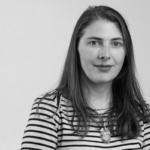
Catherine Higham
Faculty member – Law, Finance, and Litigation: Addressing Climate Change Risks in Europe – October 2024
Catherine Higham is a Policy Fellow who coordinates the Climate Change Laws of the World project – the most comprehensive global resource on climate legislation and policy. She joined the Grantham Research Institute after nearly a decade of policy and advocacy work in the not for profit sector. Before shifting her focus to research and policy analysis on climate change law and governance, she spent many years working in the field of human rights. Her current research is focused on understanding emerging trends in climate law and understanding the impact of different legal interventions on climate governance and climate action. She sits on the Board of the not-for-profit organisation the Climate Litigation Network.
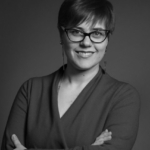
Megi Hoxhaj
Faculty member – Coastal Resilience to Sea Level Rise – November-December 2025
Faculty member – Open Science in Practice for Coastal Ocean Data Analysis and Visualization – April 2026
Megi Hoxhaj is a telecommunications engineer and technical lead at the CMCC Foundation, within the GOCO division. She oversees the design, coordination, and monitoring of operational data workflows and Decision Support Systems (DSS) for coastal and climate research. With a strong focus on system integration, team leadership, and project delivery, she ensures the reliability and efficiency of HPC-based oceanographic data pipelines and cloud platforms. Her experience spans cross-sector collaborations, including secure authentication systems and infrastructure monitoring in finance and retail environments.
Stephan Hoyer
Faculty member – Data Driven Modeling and Predictions of the Earth System – December 2024
Stephan Hoyer is a research scientist and software engineer with broad expertise in deep learning, physics and scientific computing. He is currently a research lead at Google on the Applied Sciences team, where I focus on deep learning for scientific computing challenges in the physical sciences, such as climate & weather modeling. He is also a leader in the open source software community for scientific computing in Python (e.g., Xarray, NumPy and JAX). Ph.D from UC Berkeley and a B.A. from Swarthmore College, both in physics.
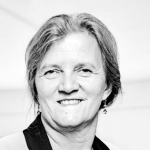
Daniela Jacob
Director – Adaptation and Sustainable Risk Management – October 2022
Prof. Dr. Daniela Jacob is a meteorologist and Director of the Climate Service Center Germany (GER-ICS), a scientific organizational entity of Helmholtz-Zentrum Hereon, and a visiting professor at Leuphana University, Faculty of Sustainability. She was a coordinating Lead Author of the IPCC Special Report on the impacts of global warming of 1.5°C above preindustrial levels and one of the Lead Authors of the IPCC Fifth Assessment Report (Working Group 2). Daniela Jacob is chair of the German Committee Future Earth (DKN) and co-chair of the WPN2030. She was a member of the European Commission’s Mission Board on “Adaptation to Climate Change including Societal Transformation”. Additionally, she is a member of the ‘Earth League’, an international alliance of prominent scientists from world‐class research institutions, as well as a member of several other committees. Her main research fields and areas of interest are local and regional climate modelling, the hydrological cycle, climate services and adaptation to climate change. Moreover, Daniela Jacob is Editor-in-Chief of the Journal “Climate Services”, a new scientific Journal she co-founded with Elsevier.
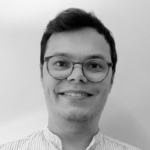
Stuart Jenkins
Faculty member – Carbon Dioxide Removal for a Net-Zero Future – June 2025
Stuart Jenkins is a physical climate scientist. He specialises in modelling the climate system’s response to anthropogenic pollutants, particularly to CO2 emissions, informing the design of net zero policy and the need for CO2 removal. He completed a PhD in atmospheric physics before undertaking two short postdocs in projects looking at constraining the aerosol contribution to climate change and quantifying and deploying responsible negative emissions in Europe. He is currently a Research Fellow at the University of Oxford, working on defining best practise for hard-to-abate sectors to align their business models with net zero, as well as novel regulations targeting CO2 storage deployment.
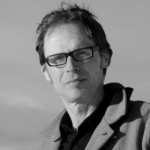
Filip Johnsson
Faculty member – Carbon Dioxide Removal for a Net-Zero Future – June 2025
Filip Johnsson is professor in Energy Systems in Department of Space, Earth and Environment, Chalmers University of Technology. Filip Johnsson’s research areas comprise Energy systems analysis and thermal conversion systems including Carbon Capture and Storage (CCS). The research on energy systems analysis has an emphasis on the transition of the energy system to comply with climate targets, including how non-dispatchable electricity generation such as wind power can be integrated in the electricity system in a cost-efficient way. The research also deals with how to mitigate carbon emissions along supply chains, from basic materials to end products and services.
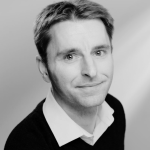
Stefan Klus
Director – Data Science and Machine Learning for Climate Research – June 2023
Stefan Klus is an Associate Professor in mathematics at Heriot-Watt University, Edinburgh. He has several years of experience developing data-driven methods for analysing high-dimensional dynamical systems, with applications in molecular dynamics, fluid dynamics, quantum mechanics, agent-based modelling, and climate science. Before he joined the Heriot-Watt University, Dr. Klus worked at the University of Surrey, the Freie Universität Berlin, and the United Technologies Research Center, where he provided expertise in the areas of data science, machine learning, parallel computing, spectral and algebraic graph theory, and control of multi-agent systems, focusing on the analysis and optimization of numerical algorithms.
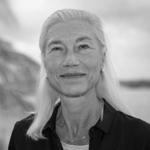
Villy Kourafalou
Director – Coastal Resilience to Sea Level Rise – November-December 2025
Villy Kourafalou is a Professor at the University of Miami’s Department of Ocean Sciences. She is a renowned ocean scientist specializing on coastal ocean dynamics with applications on predictions and forecasts that bring ocean influence to the coastal, land and urban environments. Under the United Nations Decade of Ocean Science for Sustainable Development, Prof. Kourafalou is the Chief Scientific Officer for the Decadal Collaborative Center for Coastal Resilience (DCC-CR) and co-chairs the endorsed Program “CoastPredict: observing and predicting the Global Coastal Ocean”. Prof. Kourafalou has co-chaired the international Coastal and Shelf Seas Task Team under OceanPredict and is currently a member of the Scientific and Technical Advisory Committee (STAC) of the EU Copernicus Marine Environment Monitoring Service.
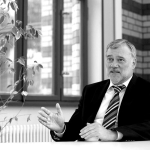
Jürgen Kurths
Faculty member – Data Science and Machine Learning for Climate Research – June 2023
Jürgen Kurths is a mathematician and a physicist. He received his Ph. D. degree from the GDR Academy of Sciences and his Dr. Habil. from the University of Rostock. He was a Full Professor at the University of Potsdam from 1994 to 2008. He has been a Professor of Nonlinear Dynamics at the Humboldt University, Berlin, and the Chair of the Research Domain Complexity Science of the Potsdam Institute for Climate Impact Research since 2008.
He is a Fellow of the American Physical Society, the Royal Society of Edinburgh and the Network Science Society and a member of the Academia Europaea. He received an Alexander von Humboldt Research Award in 2005 and 2021, the Richardson Award from the European Geoscience Union in 2013 and the Lagrange Award in 2022.
The primary research interests of Jürgen Kurths include complex systems science, in particular synchronization, complex networks, and time series analysis and its applications in Earth Sciences, Physiology, engineering and others. His more recent studies focus on inferring networks from data, improved predictions of extreme climate events, generalized stability concepts for and designing modern power grids, and the influence of Le´vy noise on complex systems and hyper networks.
David Lavers
Faculty member – Data Driven Modeling and Predictions of the Earth System – December 2024
Faculty member – AI and Machine Learning for Earth System Modeling and Prediction – June 2026
David Lavers is a scientist at the European Centre for Medium-Range Weather Forecasts (ECMWF), working on diagnostics of the ECMWF integrated forecasting system and climate monitoring. His work focuses on the global water cycle, which includes using data from observational campaigns such as Atmospheric River Reconnaissance and the evaluation of precipitation forecasts. He has held previous positions at Scripps Institution of Oceanography, the University of Iowa, the University of Reading, and Princeton University. His PhD on seasonal hydrological prediction was from the University of Birmingham and the Centre for Ecology and Hydrology in the UK.
Gregor Laumann
Faculty member – Carbon Dioxide Removal for a Net-Zero Future – June 2025
Gregor Laumann is Head of the Division “Climate and Nature Protection, International Cooperation” at the German Aerospace Center. He has many years of experience in the management of research funding and the establishment, management and facilitation of national and international transdisciplinary research and capacity building initiatives. He worked several years in applied research and business consulting in Germany and the Netherlands mainly in the fields of urban and regional development as well as in the transport and mobility sector.
Fulvio Leonzio
Faculty member – Law, Finance, and Litigation: Addressing Climate Change Risks in Europe – October 2024
Fulvio Leonzio is PhD candidate in European Law at the University of Bologna. He conducts his research in the field of EU Law and Local Government Law. His research interests are focused in detail on the EU’s interest in cities from the sustainable development perspective; the evolving perspectives of Città metropolitane in the Italian legal system. He spent a three-month research period at the University of Barcelona (UB), Faculty of Administrative Law. He has held and currently holds teaching assistantships at university courses related to the disciplinary areas of Administrative Law and Comparative Public Law. Since July 2024, he has been admitted to the Italian legal bar.
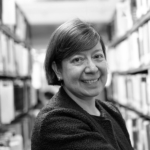
Liliana Lizarazo Rodriguez
Faculty member – Law, Finance, and Litigation: Addressing Climate Change Risks in Europe – October 2024
Liliana Lizarazo-Rodriguez is research professor of Sustainability Law at the Brussels School of Governance, Vrije Universiteit Brussel. She is Principal Investigator of the European Research Council (ERC) grant Curiae Virides that investigates how transnational ecological disputes become lawsuits, in the framework of GVCs. She is the deputy director of the Global Network of Human Rights and the Environment (GNHRE). She is also the director of other research projects, such as the Horizon Europe MSC Mother Earth, Ecotrilema and (co)promotor of the House of Sustainability Transitions. Liliana studied Law (Universidad del Rosario (Colombia) and UNED (Spain)), Development studies (University of Antwerp (IOB)) and obtained her PhD at the University of Ghent (Belgium). Her publications are available at ORCID and Research Portal of the VUB.
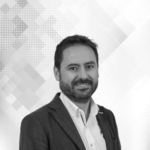
Javier López Lara
Faculty member – Sea Level Rise and Coastal Adaptation – October 2023
Faculty member – Coastal Resilience to Sea Level Rise – November-December 2025
Javier López Lara is a Full Professor at the University of Cantabria (UC) and Head of the Climate Risks, Adaptation and Resilience Group of IHCantabria. Javier is a civil engineer and holds a PhD from UC. He was a postdoctoral researcher at Cornell University (USA) and then a Ramón y Cajal researcher at UC. He has developed his research in wave hydrodynamics, also specialising in surf zone hydrodynamics and wave-structure interactions, wave interaction with coastal ecosystems, using both experimental and numerical methods. In recent years, he has extended his research to the characterisation of climate risks, focusing on infrastructures. He has been awarded the Modesto Vigueras Prize (2004) and the Paepe-Willems International Research Prize (PIANC, 2005). He has published 78 SCI research papers and has supervised 17 doctoral theses.
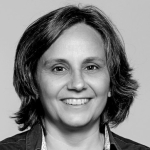
María Máñez
Faculty member – Adaptation and Sustainable Risk Management – October 2022
María Máñez Costa applies system thinking and analysis to support climate services development. María is an expert in participatory modelling and has been working in the last 20 years on developing participatory processes and models. Her research focuses on innovative transdisciplinary approaches supporting transitions to resilient societies. Her work repeatedly lies at the interface between science and society. Topic-wise, María works on water management adaptation themes, including the interface between urban resilience and agriculture or nature-based solutions. María has been involved in the development of the field of climate services since 2009. Since the academic year 2013, she has been a visiting professor at the Polytechnic University of Valencia and has successfully taught Participatory Modelling and System Dynamics. She also supervises PhDs and Master Students in different institutions.
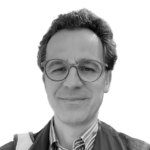
Gianandrea Mannarini
Faculty member – Sea Level Rise and Coastal Adaptation – October 2023
Gianandrea Mannarini is a senior scientist at CMCC, holding a Ph.D. in Physics from the Humboldt-University of Berlin in Germany and an M.Sc. in Physics from the University of Pisa, Italy. His work primarily revolves around applications, services, and the generation of actionable insights using ocean forecasting models and climate data. One of his key research areas is ship weather routing, where he spearheads the development of the open-source VISIR model. Additionally, he has recently delved into the examination of coastline changes stemming from sea level rise. In this role, he led a specialized study in support of the Lecce urban master plan.
Simona Masina
Faculty member – Sea Level Rise and Coastal Adaptation – October 2023
Simona Masina is a physical oceanographer with a Ph.D. from Princeton University, Director of the Ocean Modelling and Data Assimilation Division of the Euro-Mediterranean Centre on Climate Change Foundation (CMCC) – Italy. Her scientific interests focus on understanding the ocean’s role in the global climate system and the ability to predict the state of the ocean and its variability at different spatial and temporal scales. She has more than 20 years of experience in ocean modelling and has been involved in national and international projects with both scientific and coordinating responsibilities. She has to her credit more than 100 publications in international refereed journals. Her experience includes teaching activities at the graduate level at the Ca’Foscari University of Venice and at the University of Bologna. She is a member of the Italian Oceanographic Commission (Italian IOC-UNESCO) and of the Scientific Board of Mercator Ocean International.
Kate McKenzie
Faculty member – Climate Change Law & Science: Exploring the Interplay between Legal Systems and Climate Change Science – July 2026
Kate McKenzie is CEO and Founding Director of the Climate Change Legal Initiative (C2LI). She is also a Research Fellow in Climate Law and Litigation at the British Institute of International and Comparative Law (BIICL). With over 20 years of experience as a lawyer-mediator, specialising in climate change law and litigation and the law of the sea, she is also Managing Editor of the Carbon & Climate Law Review and Co-Chair of the Climate Litigation Cluster of the IUCN World Commission on Environmental Law’s Climate Change Law Specialist Group. McKenzie holds a Bachelors degree from The Boston Conservatory, a Juris Doctor (concentration in environmental law) from Capital University Law School, an LLM from the University of Strathclyde and a PhD in climate law, litigation and the law of the sea with a focus on due diligence.
Vittoria Mencarini
Faculty member – Sea Level Rise and Coastal Adaptation – October 2023
Faculty member – Coastal Resilience to Sea Level Rise – November-December 2025
Vittoria is an architect with a post-graduate Master of Landscape Architecture and a Ph.D. in Landscape Architecture. Her professional practice and research activities revolve around the relationship between landscape design and land transformation at different scales of intervention. She has supported the Municipality of Ravenna in designing climate change adaptation plans, landscape projects to conserve protected areas, and design practices focused on improving soil health. Since July 2021 she has worked at the Municipality of Ravenna in the Naturalistic Area Office. She is also responsible for disseminating and implementing the SECAP (Sustainable Energy and Climate Action Plan).
Lorenzo Mentaschi
Faculty member – Coastal Resilience to Sea Level Rise – November-December 2025
Lorenzo Mentaschi is an Assistant Professor at the University of Bologna, specializing in coastal and ocean modeling. His research covers waves, hydrodynamics, biogeochemistry, and the integration of numerical models and AI for coastal system analysis, with particular attention to extremes and hazard mapping. In 2024, Lorenzo Mentaschi was recognized as a Highly Cited Researcher by Clarivate and as a Top Scholar in the ScholarGPS global ranking. His work advances predictive tools for sustainable coastal and marine management.
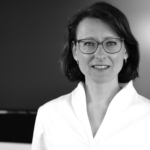
Christine Merk
Faculty member – Carbon Dioxide Removal for a Net-Zero Future – June 2025
Christine Merk is the Deputy Head of the Research Group Global Commons and Climate Policy at the Kiel Institute for the World Economy. Her main research interests are people’s perceptions of CDR in the context of climate policy. She conducts focus groups, deliberations, field experiments and survey experiments to study public perceptions of CDR methods, like ocean alkalinization or enhanced weathering, Carbon Capture and Storage, and stratospheric aerosol injection. She is part of several interdisciplinary research projects on CDR and also contributed to the design of an assessment framework for marine CDR. Her background is in quantitative political sciences and environmental economics.
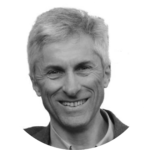
Alberto Montanari
Director – Water Resources, Land-use and Forestry – June-July 2022
Alberto Montanari is full professor of Hydrology and Water Resources Management for the Department of Civil, Chemical, Environmental and Material Engineering at the University of Bologna. He is currently president of the European Geosciences Union (EGU). From 2013 to 2017 he was Editor in Chief of Water Resources Research, published by the American Geophysical Union (AGU). From 2009 to 2017 he chaired the Union Awards and Medals Committee of EGU. In 2017 he was awarded the Union Service Award by EGU and was elected Fellow of the AGU. In 2018 he was awarded the Henry Darcy Medal by EGU. In 2019 he was awarded the Dooge Medal by the International Association of Hydrological Sciences, World Meteorological Organisation and UNESCO. Alberto’s research interests span over water resources assessment, sustainable exploitation of water resources, climate change assessment, impact and adaptation.
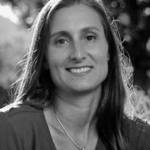
Claire Monteleoni
Faculty member – Data Driven Modeling and Predictions of the Earth System – December 2024
Claire Monteleoni is a Choose France Chair in AI and a Research Director at INRIA Paris, a Professor in the Department of Computer Science at the University of Colorado Boulder (on leave), and the founding Editor in Chief of Environmental Data Science, a Cambridge University Press journal launched in December 2020. Her research on machine learning for the study of climate change helped launch the interdisciplinary field of Climate Informatics. She co-founded the International Conference on Climate Informatics, which will hold its 14th annual event in 2025. She gave an invited tutorial: Climate Change: Challenges for Machine Learning, at NeurIPS 2014. She currently serves on the U.S. National Science Foundation’s Advisory Committee for Environmental Research and Education, and as Tutorials co-Chair for the International Conference on Machine Learning (ICML) 2024 and 2025.
Sara Morucci
Faculty member – Sea Level Rise and Coastal Adaptation – October 2023
Sara Morucci is a Physicist with Ph.D. in Non-Linear Dynamics and Complex Systems. She has been a Researcher at ISPRA since 2001 and is currently in the National Centre for Environmental Characterization, Coastal Protection and Maritime Climatology, Operational Oceanography. She has major experience in physical hydrodynamical modelling, predictive uncertainty processors and operational forecasting of sea level especially in the Venice lagoon. She is involved in statistical analysis of meteo-marine observed and modelling data, development and analysis of CC meteo-marine physical indicators (sea level, storm surges, extreme waves and tsunami).
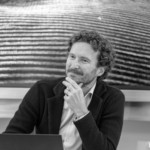
Matteo Mura
Faculty member – Coastal Resilience to Sea Level Rise – November-December 2025
Matteo Mura is Professor of Management Engineering at the Department of Management, University of Bologna. His research focuses on performance measurement and management systems, sustainable transitions in firms and value chains, decarbonization strategies, and circular economy. He collaborates with research centers in the UK, Australia, Switzerland, Germany, and Brazil, and coordinates projects funded by the European Commission and private organizations. Since 2020, he has been Director of the Centre for Sustainability and Climate Change at Bologna Business School, where he also serves as Associate Dean.
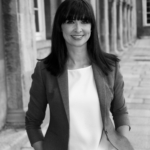
Aoibhinn Ní Shúilleabháin
Faculty member – Law, Finance, and Litigation: Addressing Climate Change Risks in Europe – October 2024
Faculty Member – Climate Change Law & Science: Exploring the Interplay between Legal Systems and Climate Change Science – July 2026
Aoibhinn Ní Shúilleabháin is an Associate Professor in the School of STEM Education, Innovation & Global Studies at Dublin City University (DCU). Her research investigates issues in Mathematics Education, with particular focus on teacher education. An award-winning science communicator, her work also focuses on making STEM more accessible for those who have historically been left out. From 2025-26 she chaired Ireland’s Independent Advisory Committee on Nature Restoration to agree consensus across the sectors of agriculture, fishing, forestry, local authorities, State agencies, scientists and enviromentalists on recommendations for the drafting of Ireland’s national Nature Restoration Plan. She previously chaired Ireland’s Citizens’ Assembly on Biodiversity Loss (2022-23).
Feliks Nüske
Faculty member – Data Science and Machine Learning for Climate Research – June 2023
Feliks Nüske received his Ph.D. in applied mathematics from Freie Universität Berlin in 2017. He then joined the Center for Theoretical Biological Physics at Rice University, U.S., for a postdoc. After a second postdoc in the Department of Mathematics at Paderborn University, Germany, he joined the Max-Planck Institute for Dynamics of Complex Technical Systems, Magdeburg, Germany, as a research group leader. His research is on data-driven methods for modelling and simulation of molecular systems.
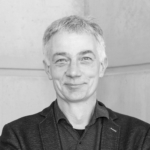
Andreas Oschlies
Faculty member – Carbon Dioxide Removal for a Net-Zero Future – June 2025
Andreas Oschlies is Professor of Marine Biogeochemical Modelling at GEOMAR and the University of Kiel, Germany. Having studied Theoretical Physics at Heidelberg and Cambridge, he moved into Oceanography for a PhD in Kiel and worked as PostDoc in Toulouse, Assistant Professor in Kiel and Professor of Physical Oceanography in Southampton, before becoming head of the Marine Biogeochemical Modelling group in Kiel in 2006. His research interests include the global carbon, nitrogen and oxygen cycles, their sensitivities to environmental change, and the development and quality assessment of numerical models appropriate to investigate these. He was chair of the Collaborative Research Centre “Climate-Biogeochemistry Interactions in the Tropical Ocean” (SFB754) investigating ocean deoxygenation and initiated the Kiel Declaration on Ocean Deoxygenation, and he is co-Chair of the Global Ocean Oxygen Network (GO2NE) and the Global Ocean Oxygen Decade (GOOD) program. He has led the Priority Program “Climate Engineering: Risks, Challenges, Opportunities?” (SPP1689) and currently is co-chair of the German Marine Research Alliance research mission “Marine carbon sinks in decarbonization pathways” (CDRmare).
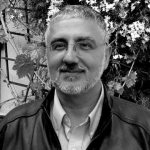
Houman Owhadi
Faculty member – Data Science and Machine Learning for Climate Research – June 2023
Houman is a Professor of applied and computational mathematics and control and dynamical systems at the California Institute of Technology. His interests include uncertainty quantification, numerical approximation, statistical inference/learning, data assimilation, stochastic and multiscale analysis. His research is focused on solving numerical approximation problems as learning problems, learning problems as numerical approximation problems, and uncertainty quantification problems as adversarial games. He was a plenary speaker at SIAM CSE 2015, a tutorial speaker at SIAM UQ 2016, the recipient of the 2019 Germund Dahlquist Prize (SIAM), and a SIAM Fellow (class of 2022). His research is supported by DARPA, the Department of Energy, NASA/JPL, AFOSR, ONR, the National Nuclear Security Administration, Los Alamos National Laboratory, Beyond Limits, and the National Science Foundation.
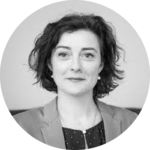
Giuliana Panieri
Faculty member – Water Resources, Land-use and Forestry – June-July 2022
Giuliana Panieri is a Geology and Environment and Climate Professor at The Arctic University of Norway in Tromsø (UiT) and a research scientist at the Centre for Arctic Gas Hydrate, Environment and Climate (CAGE). Giuliana has also an Adjunct Scientist at the Woods Hole Oceanographic Institution (WHOI) in the USA. She holds a PhD degree in Paleontology and a Research Post-Doctorate in Micropaleontology and Geochemistry. She seeks to answer questions regarding the timing, periodicity, and intensity of methane emissions with the final goal of assessing their evolution through time and understanding possible connections to climate change in the Arctic.
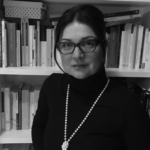
Giorgia Pavani
Faculty member – Law, Finance, and Litigation: Addressing Climate Change Risks in Europe – October 2024
Giorgia Pavani (Phd) is Full Professor of Comparative Public Law at the University of Bologna. She has coordinated the Jean Monnet Project “New Policies and Practices for European Sharing Cities” – EuCity, and the Erasmus+ Capacity Building 2017-2020 “Nuevo programa de posgrado para la formación de OPeradores Transnacionales e INterculturales para la defensa de la naturaleza y la construcción de la paz en la Comunidad Andina” – OPT-IN and the Unibo’s Team of Jean Monnet Network 2019-2023 “Sharing economy and Inequalities across Europe (SHINE)”. She has been awarded a Jean Monnet Chair 2022-2025 “A new paradigm of solidarity and sustainable cities in the European framework (SO_CITIES). She edited New Policies and Practices for European Sharing Cities, Alma Mater Studiorum Università di Bologna, Bologna, 2019.
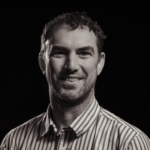
Christopher R. Pearce
Faculty member – Carbon Dioxide Removal for a Net-Zero Future – June 2025
Christopher Pearce’s research focuses on understanding the processes that cause, and can help mitigate, global climate change. He is at the forefront of rapidly growing international interest in assessing marine Carbon Dioxide Removal (mCDR) approaches and is the scientific and technical lead of the Strategies for the Evaluation and Assessment Of Ocean-based Carbon Dioxide Removal (SEAO2-CDR) project that is developing cross-cutting mechanisms, tools and guidelines for evaluating mCDR techniques.
His research interests also include determining the biogeochemical and ecological consequences of seaweed deposition in deep-sea environments and quantifying the efficacy and impacts of ocean alkalinity enhancement.
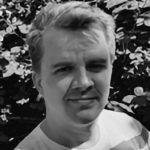
Johannes Pein
Faculty member – Sea Level Rise and Coastal Adaptation – October 2023
Faculty member – Coastal Resilience to Sea Level Rise – December 2025
Johannes Pein has a background in environmental and marine environmental sciences. He holds a Ph.D. in Marine Environmental Sciences from the University of Oldenburg where he received his specialisation in numerical modelling of the coastal ocean. Since 2016, Johannes has worked as a scientist at the Institute of Coastal Systems, Analysis and Modelling, Hereon Research Center, Geesthacht, Germany. Johannes specialises in coastal and estuarine modelling and is involved in numerous national and international projects addressing coastal climate change and human intervention. His work particularly focuses on coupled modelling hydrodynamics, biogeochemistry and sediment dynamics.
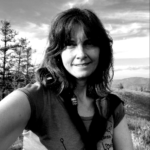
Begoña Pérez Gómez – Director of the Course
Faculty member – Sea Level Rise and Coastal Adaptation – October 2023
Faculty member – Coastal Resilience to Sea Level Rise – December 2025
Begoña Pérez Gómez is a physical oceanographer with a Ph.D. in Marine Science and Technology from the University of Cantabria in Spain. She is currently Head of the Harbour Oceanography Department at Ports of Spain, where she manages the sea level monitoring and forecasting system and participates in designing the climate change adaptation strategy for the Spanish ports. Her main skills and interests are related to sea level processes at different time scales and their impacts, operational oceanography, and the design and implementation of early warning systems, with a focus on coastal sea level hazards.
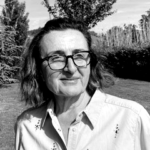
Nadia Pinardi
Faculty member – Sea Level Rise and Coastal Adaptation – October 2023
Nadia Pinardi holds a Ph.D. in Applied Physics from Harvard University and is a Full Professor of Oceanography at the University of Bologna. Her main achievement is designing and practically implementing ocean forecasting systems for the world’s open ocean and coastal areas. She is a member of the European Academy of Sciences. From 2012 to 2019 she was Co-President of the Joint Committee for Oceanography and Marine Meteorology (JCOMM) of UNESCO-IOC and WMO, and since 2019 she has been elected Vice-President of the Commission on Observation, Infrastructure and Information Systems (Infrastructure Commission) of WMO. She is Chair of the UN Decade for Ocean Science Programme “CoastPredict” and Director of the UN Decade Collaborative Centre for Coastal Resilience, hosted by the University of Bologna.
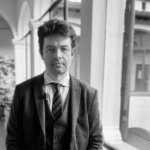
Alberto Pirni
Faculty member – Law, Finance, and Litigation: Addressing Climate Change Risks in Europe – October 2024
Alberto Pirni, PhD, is an Associate Professor in Moral Philosophy at the Sant’Anna School of Advanced Studies in Pisa, where he leads the Research Area in “Ethics and Global Challenges.” He teaches courses on public ethics, climate justice, and technology ethics. He served as President of the Paritetic Commission and Vice-President of the Joint Ethical Committee between Sant’Anna School and Scuola Normale Superiore. He is a representative in RUS and is involved in multiple PhD programs and the National PhD School in “Sustainable Development and Climate Change”. He is the author of 5 monographs, 4 co-authored volumes, and over 220 essays in volumes and refereed national and international journals (in 6 languages). He is also the editor and co-editor of more than 25 volumes and monographic issues of scientific journals. His main research fields involve German Classical Philosophy, public ethics and institutional ethics, ethics of technology and ethics of robot companionship, ethics of sustainability, theories of motivation, climate ethics and theories of (climate, energy, intergenerational) justice.
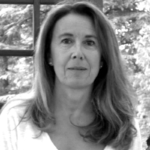
Claudia Romagnoli
Faculty member – Sea Level Rise and Coastal Adaptation – October 2023
Claudia Romagnoli is an Associate Professor of Stratigraphic Geology and Sedimentology at the University of Bologna, Department of Biological Sciences, Geology and Environment (BiGeA). Her research interests include marine and coastal geology; seafloor and habitat mapping, including geohazard-related features; late Quaternary and recent sea-level fluctuations; coastal monitoring techniques; coastal erosion; and protection, mitigation and adaptation strategies to counter the effects of climate change. She is author/co-author of about 110 publications (80 in indexed journals, 30 as book chapters) and over 100 contributions to congresses.
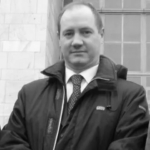
Luca Saltalamacchia
Faculty member – Law, Finance, and Litigation: Addressing Climate Change Risks in Europe – October 2024
Faculty member – Climate Change Law & Science: Exploring the Interplay between Legal Systems and Climate Change Science – July 2026
Luca Saltalamacchia is a civil lawyer, qualified to practice before higher courts. He primarily focuses on strategic litigation in the areas of climate, environment, and human rights. He has initiated several lawsuits before Italian courts and the Italian and Dutch National Contact Points for the OECD Guidelines, against Italian companies, in order to defend the rights of local communities affected by economic activities. He is one of the founders of the “Rete Legalità per il Clima (Legality for Climate Network),” a network of legal experts that addresses the interrelations between law and climate change, through which he has launched various climate-related lawsuits against the Italian state and climate-altering Italian companies.
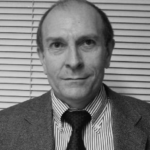
Agustín Sánchez-Arcilla
Faculty member – Sea Level Rise and Coastal Adaptation – October 2023
Agustín Sánchez-Arcilla, Ph.D. in Civil Engineering, is a full professor at the Department of Civil and Environmental Engineering (DECA) of the Polytechnic University of Catalonia. He has been the director of the Laboratory of Marine Engineering (LIM/UPC) since 1990, where he developed his research in the field of marine engineering (coastal and port engineering). He was one of the promoters of creating the International Centre for Coastal Resources Research (CIIRC), of which he is currently Vice-President. He has published more than 20 books and more than 150 research papers in national and international journals, has been guest or associate editor of several prestigious journals, has supervised 28 Ph.D. theses and has participated in more than 35 European research projects.
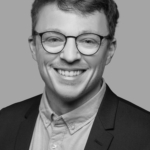
Felix Schenuit
Faculty member – Carbon Dioxide Removal for a Net-Zero Future – June 2025
Felix Schenuit is a research associate in the Research Cluster Climate Policy and Politics at the German Institute for International and Security Affairs (SWP) in Berlin. He conducts research on European climate and industrial policy, with a focus on carbon dioxide removal and carbon management. He co-led the chapter on policy and governance in the State of Carbon Dioxide Removal Report. He holds a PhD from the University of Hamburg and has been a visiting researcher at the Massachusetts Institute of Technology (MIT), the International Institute for Applied System Analysis (IIASA), and the Climate and Energy College at the University of Melbourne.
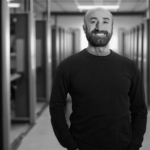
Soheil Shayegh
Director – Carbon Dioxide Removal for a Net-Zero Future – June 2025
Faculty member – Climate Change Law & Science: Exploring the Interplay between Legal Systems and Climate Change Science – July 2026
Soheil Shayegh is the Director of the Integration of Planetary & Industrial Carbon Cycle Program at CMCC Foundation in Italy. He holds a PhD in Industrial Engineering from Georgia Institute of Technology (Atlanta, USA). His primary research interest is developing dynamic models for analyzing the interaction between natural and human systems. In particular, he is investigating the prospect of developing and deploying large-scale carbon dioxide removals (CDR) and other climate interventions and solutions, their integration into the carbon cycle considering their co-benefits, costs, side effects, and potential spillovers.

Mike Sierks
Faculty member – AI and Machine Learning for Earth System Modeling and Prediction – June 2026
Mike Sierks is a product builder and Ph.D. climate scientist focused on developing AI-powered tools for weather, climate, and the energy transition. Currently at WindBorne Systems, he combines scientific expertise with applied machine learning to transform complex environmental data into practical products and decision-ready insights. His work has included research on high-resolution climate projections for wind-energy planning, helping investors and energy-sector stakeholders better understand how a changing climate may affect future renewable-energy performance. Mike is especially interested in building tools that connect rigorous climate science with real-world action.
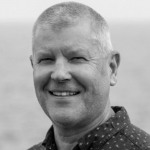
Richard Signell
Director – Open Science in Practice for Coastal Ocean Data Analysis and Visualization – April 2026
Richard Signell is a physical oceanographic modeler and data scientist who worked 30+ years with the U.S. Geological Survey (USGS) at the Woods Hole Coastal and Marine Science Center. During his time at the USGS, his work involved using numerical models to study coastal processes like ocean circulation and sediment transport, and he promoted open-source tools for data accessibility as an active member of the Pangeo Community. He is now the founder of Open Science Computing, LLC, where he helps organizations learn how to implement cloud-native, open-source workflows to work effectively with large Earth data.
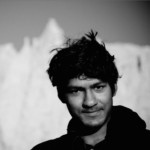
Aneesh Subramanian
Director – Data Driven Modeling and Predictions of the Earth System – December 2024
Director – AI and Machine Learning for Earth System Modeling and Prediction – June 2026
Aneesh Subramanian earned his Ph.D. in 2012 from Scripps Institution of Oceanography and completed a post-doc there from 2012-2014. He was a Post-Doctoral Research Scientist and Lecturer at the University of Oxford (2014-2017), focusing on advanced weather modeling techniques and their impact on predictability of El Niño, the Madden-Julian Oscillation, tropical cyclones, and atmospheric rivers. He joined the Center for Western Weather and Water Extremes in 2017 as a Project Scientist, enhancing subseasonal prediction and data assimilation for Western US weather. In 2019, he became an Assistant Professor at the University of Colorado Boulder, researching on prediction of our earth system from weather to climate timescales and improving our understanding of climate processes. He has over 90 refereed publications.
His research covers climate processes, global and regional weather and climate prediction, coupled ocean-atmosphere data assimilation and the application of advanced machine learning techniques in prediction and Earth system modeling. He also studies the predictability of global weather systems, and atmospheric rivers on medium-range to sub-seasonal timescales and oceanic influences on prediction in these timescales using both computational models and observational analysis. He is also focused on improved understanding of the physical processes and their representation in computer models for helping improve the predictions.
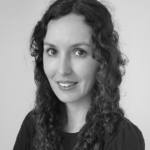
Paola Tanguy
Faculty member – Coastal Resilience to Sea Level Rise – November-December 2025
Paola Tanguy is a Policy Specialist on Coastal and Water Resilience at CMCC. She contributes to several EU-funded projects, including REST-COAST, MOIRAI, AQUA, and MAGICA. Within the ATEC division, her work supports stakeholder engagement, capacity building, and co-creation processes, developing innovative tools such as physical and digital serious games to foster dialogue and collaboration.
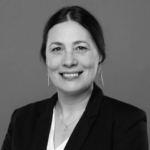
Marta Torre-Schaub
Faculty member – Law, Finance, and Litigation: Addressing Climate Change Risks in Europe – October 2024
Marta Torre-Schaub is Senior Professor at the CNRS since 2001. She works at the Institut des Sciences Juridique et Philosophique de la Sorbonne (ISJPS). She is expert on Environmental and Climate Change Law. She teaches Environmental Governance at Sciences Po Paris and Climate Change Law at Université Paris 1 Panthéon-Sorbonne. She currently supervises 4 PHD students at Université Paris 1 and several Advanced Masters’s students. In 2018, she founded the interdisciplinary CLIMALEX International network on Law and Climate change, which she has been directing ever since, as well as the Environmental Hub of ISJPS. She has a Master’s degree in Law, an Advanced Masters degree on Business Law and a DEA in Intellectual Property Law. She also has a DEA in Human and Social Sciences. She obtained her PHD with unanimous congratulations from the jury in 2001 at the Université de Paris 10. The year after she received a special PHD Award (Dupin Aîné Prize from the
Chancellerie des Universités). She was qualified as Maître de conférences by the CNU (2002) and admitted to the CNRS national competitive examination (2002), where she has been a full Tenured Professor ever since. She obtained her HDR (Habilitation à diriger de recherches) in 2012 with High Honors.
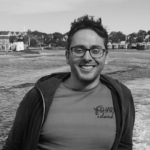
Francesco Trotta
Faculty member – Sea Level Rise and Coastal Adaptation – October 2023
Faculty member – Open Science in Practice for Coastal Ocean Data Analysis and Visualization – April 2026
Francesco Trotta is a scientist at the Ocean Predictions and Applications (OPA) division at CMCC Foundation since 2022. His research is mainly focused on high-resolution relocatable oceanographic modelling and understanding submesoscale processes (1-10km) in the ocean. He received his PhD in Astronomy in 2012 at the University of Florence. From 2012 to 2022, he researched ocean modelling at the University of Bologna, developing the innovative Relocatable Ocean Modeling platform SURF. Since 2023, he has been a Black Sea-PHY NRT Copernicus Marine Service development team member. He has been a lecturer in several training courses concerning numerical modelling of the oceans.
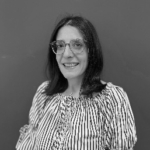
Chiara Trozzo
Faculty member – Coastal Resilience to Sea Level Rise – November-December 2025
Chiara Trozzo is Senior Scientific Manager at the Advanced Training and Education Center, CMCC Foundation. After a 2nd level International Master in Cooperation and Development (CDN Network- IUSS Pavia) and a Master Degree in International and Diplomatic Affairs (University of Bologna- sede di Forlì), she mainly delved with project management, resource mobilization and donor relations with international organizations and NGOs in different countries in Latin America.
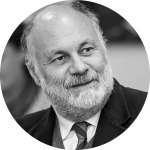
Riccardo Valentini
Faculty member – Water Resources, Land-use and Forestry – June-July 2022
Riccardo Valentini is a Full Professor of forest ecology at the University of Tuscia and a member of the Strategic Committee at CMCC Foundation. His main focus is on the role of land use changes and forestry in the carbon cycle, biodiversity and bioenergy. He was one of the pioneers of terrestrial carbon research working in several ecosystems placed in North and South America, Europe, Australia, China, Japan, and Africa in different biomes including forests, crops, grasslands, savannahs, wetlands etc. He was involved as lead author in the IPCC (Intergovernmental Panel on Climate Change) 3rd and 5th Special Reports.
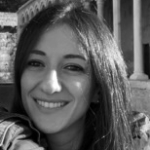
Giorgia Verri
Faculty member – Sea Level Rise and Coastal Adaptation – October 2023
Giorgia has been a researcher at the CMCC Foundation since 2012 and has vast expertise in the meteorological modelling systems for wind energy forecasting. She has a Master of Science degree in Physics from the University of Salento, a Level II Master in Energy Efficiency and Renewable Energies from La Sapienza University of Rome, and a Ph.D. in Environmental Sciences from the University of Bologna. Giorgia has developed an Estuarine Box Model to accurately represent the net river release into mesoscale ocean models and estimate salt wedge intrusion. She is currently exploring the numerical and physical capabilities of the finite-element model based on SHYFEM code. She is also an ECOPs member of the United Nations Program CoastPredict.
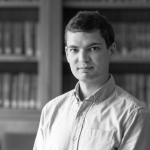
Noah Walker-Crawford
Faculty member – Climate Change Law & Science: Exploring the Interplay between Legal Systems and Climate Change Science – July 2026
Noah Walker-Crawford is a publicly engaged researcher who studies climate litigation from a socio-legal perspective. His current work as a Research Fellow at the London School of Economics and Political Science (LSE) examines the use of scientific evidence in the courtroom. Beside his academic work, he advises litigants and NGOs on using legal tools to fight for climate justice.
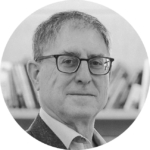
Jeffrey Weiss
Faculty member – Data Driven Modeling and Predictions of the Earth System – December 2024
Jeffrey B. Weiss received his Ph.D. in Physics from the University of California, Berkeley, in 1988. He was a postdoctoral fellow and visiting scientist at the National Center for Atmospheric Research in Boulder, CO, before joining the Department of Atmospheric and Oceanic Sciences at the University of Colorado, Boulder in 1993.
Weiss’s research focuses on applications of dynamical systems and turbulence theory to fundamental problems in the atmosphere, ocean, and climate system, with an emphasis on coherent structures, climate variability, data assimilation, and data driven methods.
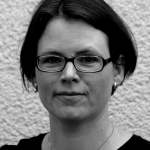
Sarah Wolf
Faculty member – Data Science and Machine Learning for Climate Research – June 2023
Sarah Wolf leads a MATH+ junior research group on “mathematics for sustainability transitions” at Freie Universität Berlin, where she works on agent-based modelling of complex socio-economic, -ecologic, and -technical systems and embeds these models and their simulations in stakeholder dialogues in the Decision Theatre format. Her research topics include sustainable mobility and mechanisms behind the possibility of transitioning to Green Growth. While her background is in mathematics, she has worked in interdisciplinary research teams since her Ph.D. studies, first at the Potsdam Institute for Climate Impact Research and later at the Global Climate Forum, now at FU Berlin.
Wenyan Zhang
Faculty member – Coastal Resilience to Sea Level Rise – November-December 2025
Wenyan Zhang is a Physical Oceanographer and head of the department Sediment Transport and Morphodyamics, Helmholtz-Zentrum Hereon, Germany. His expertise mainly lies on sediment dynamics, coastal morphodynamics and benthic-pelagic coupling. In particular, the role of benthic fauna and flora in morphodynamics, coastal protection and carbon cycling is the focus of interest. He is member of the expert group Climate change in the Baltic Sea of HELCOM (lead author of coastal sediment transportation), and member of ICES working groups Fisheries Benthic Impact and Trade-offs (WGFBIT) and Impact of Fishing on Oceanic Carbon (WKFISHCARBON).